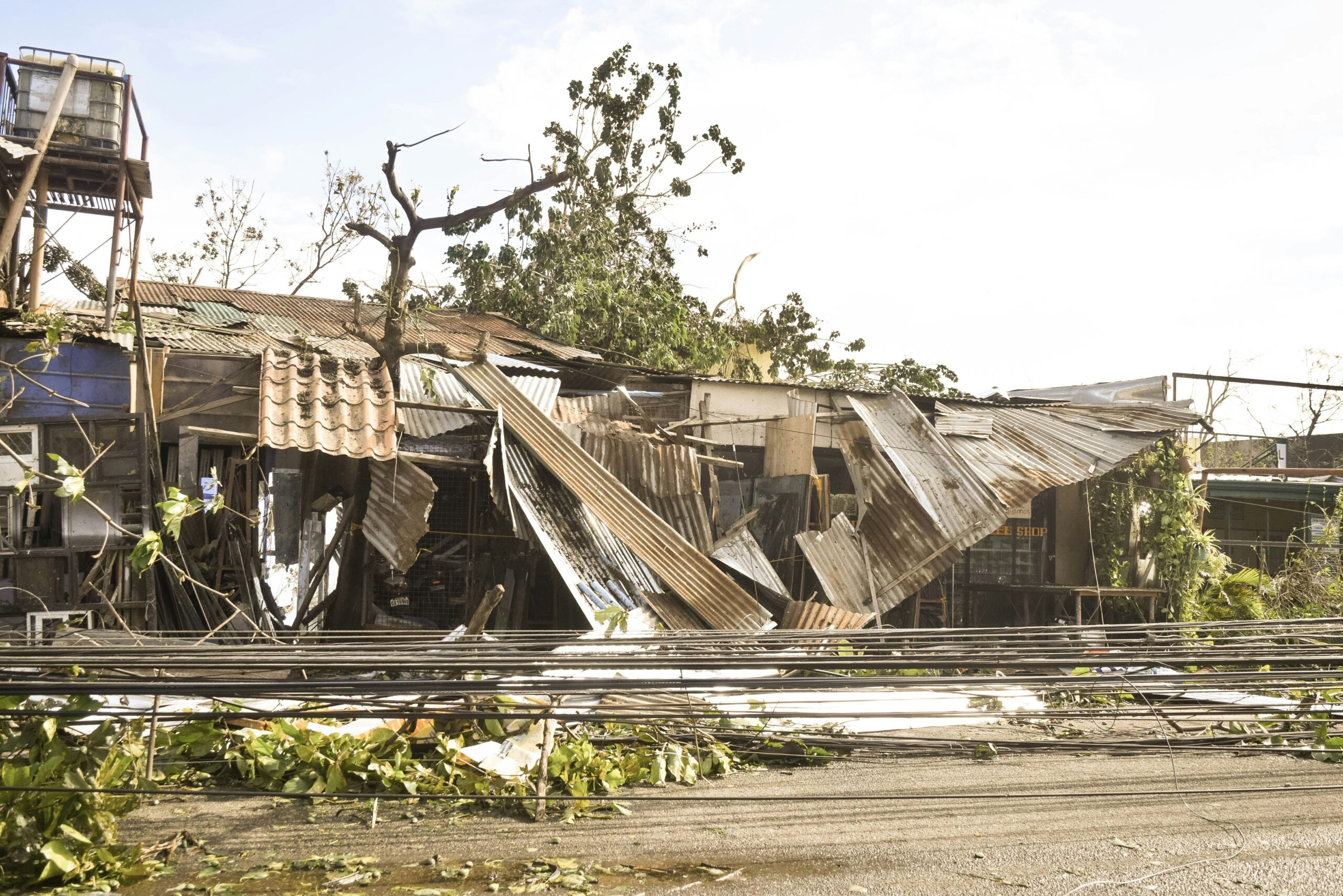
In today’s unpredictable world, preparing for emergencies isn’t just about stockpiling food and water. Financial preparedness plays an equally vital role. Having a robust financial plan can help you navigate through disasters with ease, ensuring you and your loved ones remain protected. Here’s a detailed guide on how to approach financial preparedness for disasters.
- Build an Emergency Fund
An emergency fund is your first line of defense against unexpected events. Aim to save at least 3 to 6 months’ worth of living expenses. This fund should be easily accessible in times of need. Consider parking it in a savings account offering high liquidity but ensure it is separate from your everyday accounts to prevent unnecessary spending.
- Keep Cash on Hand
During disasters, electronic payment systems might fail, making cash essential for purchasing necessities. Store small denominations in a secure place, enough to cover a week’s worth of expenses. However, balance is key—too much cash can be a security risk.
- Diversify Income Streams
Relying on a single income source can be risky during turbulent times. Explore side hustles, remote work, or part-time gigs to diversify income streams. This diversification not only boosts your income but also provides a financial cushion if one stream dries up.
- Review and Update Insurance Policies
Ensure your insurance policies are up to date. Review coverage for health, home, auto, and life insurance to confirm they meet current needs. During disasters, having comprehensive insurance can be the difference between financial ruin and stability. Don’t forget renter’s insurance if you do not own your home.
- Protect Important Documents
Safeguard critical documents like birth certificates, property deeds, medical records, and insurance policies. Use fireproof and waterproof safes for physical documents and consider digital backups secured in the cloud or encrypted drives. Easily accessible documents ensure swift recovery post-disaster.
- Debt Management Plan
High-interest debts can be a stranglehold during emergencies. Work towards paying down these liabilities. Consider debt consolidation to lower interest rates and streamline payments. Establishing a repayment strategy alleviates stress and frees up resources during crises.
- Create a Budget for Emergencies
Draft a contingency budget that trims non-essential expenditures, focusing on basics like food, utilities, and fuel. Practicing this streamlined budget occasionally, even when not in a crisis, ensures a smooth transition when emergencies hit.
- Educate Family Members
Involve family members in financial planning to promote understanding and cooperation during emergencies. Hold regular discussions on spending habits, savings goals, and risk management strategies. This collective knowledge empowers quick, informed decisions under pressure.
- Stay Informed and Flexible
Stay updated on local and global events that can affect finances. Being informed allows you to anticipate challenges and adapt your financial plans accordingly. Maintain flexibility in your strategy to accommodate changing situations and priorities.
Conclusion
Financial preparedness is an integral aspect of becoming a well-rounded prepper. By implementing these strategies, you safeguard your family’s financial security, ensuring peace of mind and resilience in the face of unforeseen disasters. Start now, and be ready for whatever the future holds!