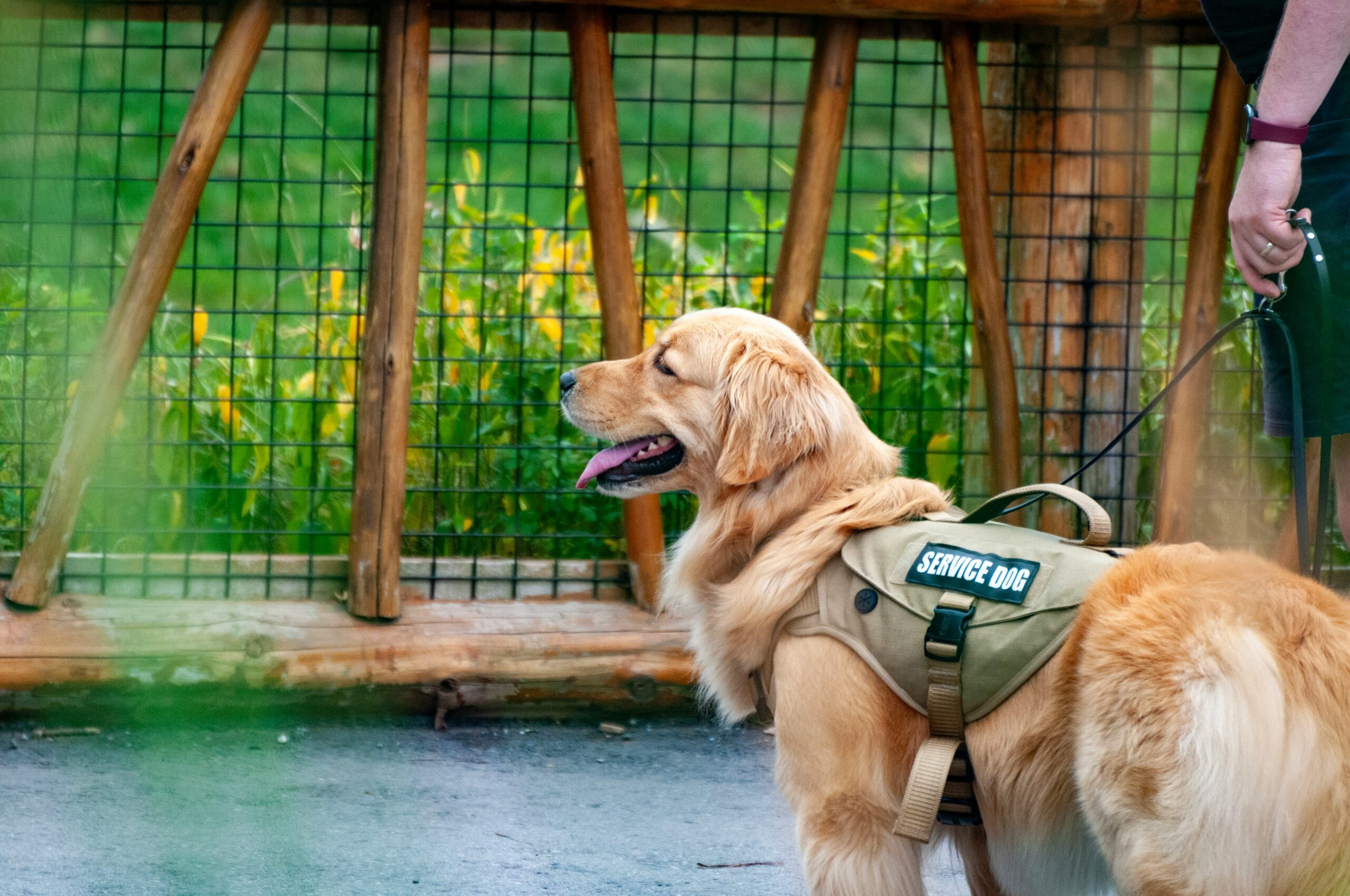
When it comes to emergency preparedness, pet owners often find themselves navigating a unique set of challenges. Our furry, feathered, or scaly friends aren’t just pets—they’re family. Planning for their safety alongside your own can transform a stressful situation into a manageable one. Let’s explore the crucial role pets play and how you can integrate them into your emergency preparedness plan.
Emotional Support: The Power of Companionship
In times of crisis, the emotional toll can be overwhelming. Pets provide comfort and companionship, reducing stress and anxiety. Their presence offers a sense of normalcy and stability, which is invaluable during disruptions. This emotional bond isn’t just beneficial; it’s crucial for mental well-being, helping you stay focused and calm in emergency situations.
Pet Preparedness: A Toolkit
Being prepared means having a specific plan in place for your pets. Here are a few essential steps:
- Pet ID and Information:
– Microchip and ID tags should be up to date.
– Have a list of your pet’s medical information, including vaccinations and any specific needs.
- Emergency Kit for Pets:
– Food and Water: Store a two-week supply of pet food and water.
– Medications: Prepare a small first-aid kit alongside prescribed meds.
– Familiar Comforts: Include favorite toys or blankets to ease stress.
- Safe Haven Planning:
– Identify pet-friendly shelters or accommodations in advance.
– Talk to neighbors or nearby family members who can assist with pets if separated.
Training and Behavior: Ready for Anything
Well-trained pets are more adaptable to change. Reinforce basic commands and practice emergency drills, like car-entry routines or crate training. Familiarity with these can make evacuation smoother and quicker. Include pets in family emergency drills to ensure everyone knows their role.
Health and Emergency Care: Pre-emptive Measures
Regular health check-ups and vaccinations are vital. In emergencies, you may not have straightforward access to vet care. Ensure that your pet’s health is optimal beforehand, reducing potential complications. Know your pet’s behavioral signs of stress and have calming strategies in place, such as pheromone sprays or anxiety vests.
Community and Communication: A Shared Responsibility
Being a part of a preparedness network can mean additional support. Coordinate with neighbors or local groups to create a pet-included community emergency plan. Share resources, information, and responsibilities to ensure everyone’s safety. Communication is key—you can’t do it alone.
Pets as Alerts: An Early Warning System
Some pets display heightened senses for detecting natural disasters like earthquakes or severe weather changes. Being attuned to your pet’s behavior can provide an early warning, allowing more time to prepare or evacuate when necessary.
In Conclusion
Your pets are more than just bystanders in emergency situations. Their inclusion in preparedness plans not only ensures their safety but enhances your resilience as a family unit. By preparing thoroughly, you embrace the responsibility and joy of pet ownership, ensuring your entire household is equipped to face any challenge head-on. Remember, a well-prepared pet owner is a responsible pet owner. Let’s keep our loyal companions safe.